


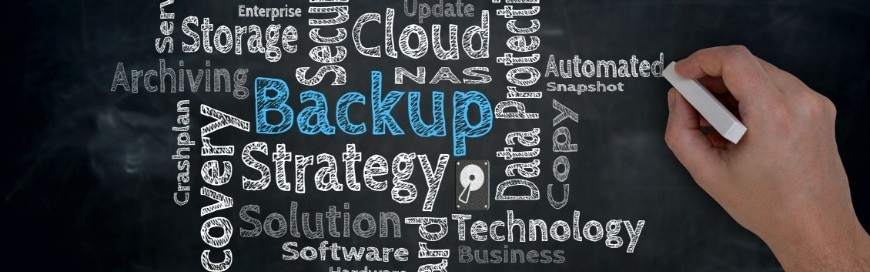
Your business data is your company’s lifeblood. It’s essential for your daily operations. But what if disaster strikes? How will you protect and recover your company data?
This article answers some of the most common business questions about data backup and disaster recovery to help you safeguard your company’s valuable data.
Data backup involves creating copies of your company data and storing them in a safe place. This way, if you lose or damage your data for whatever reason, you can restore it from your backups.
You should back up all business data that is critical to your operations and that you cannot afford to lose, including:
The frequency of your data backups depends on many factors, including:
If you are unsure how often to back up your data, consult with a data backup expert like Interplay. We can assess your needs and create a backup schedule that is right for you.
You can store your data backups in a variety of storage mediums, including:
No matter where you store your backups, ensure that it is completely separate from your online data. Otherwise, if your online data is infected with ransomware, the malware can easily spread to and encrypt your backups, rendering them useless for recovery purposes. You should also regularly test your backups to ensure that they are accessible and can be restored successfully in case of an attack.
Disaster recovery refers to restoring critical business functions, data, and systems after a disaster, such as floods, fires, cyberattacks, hardware failures, and other disruptions. It typically involves restoring data from backups, but it may also include other steps, such as rebuilding servers and restoring network connectivity.
By having a disaster recovery plan, you can reduce the impact of a disaster on your company and you can resume operations as soon as possible.
Take the following factors into account to create a robust and effective disaster recovery plan for your business:
Interplay can create and implement an effective data backup and disaster recovery plan tailored to your business’s specific needs. Get in touch with us today.